Master dispatch consoles integrate IT, data analysis and automatic control, helping logistics firms improve efficiency, cut costs and sharpen competitiveness via real-time monitoring and intelligent scheduling.
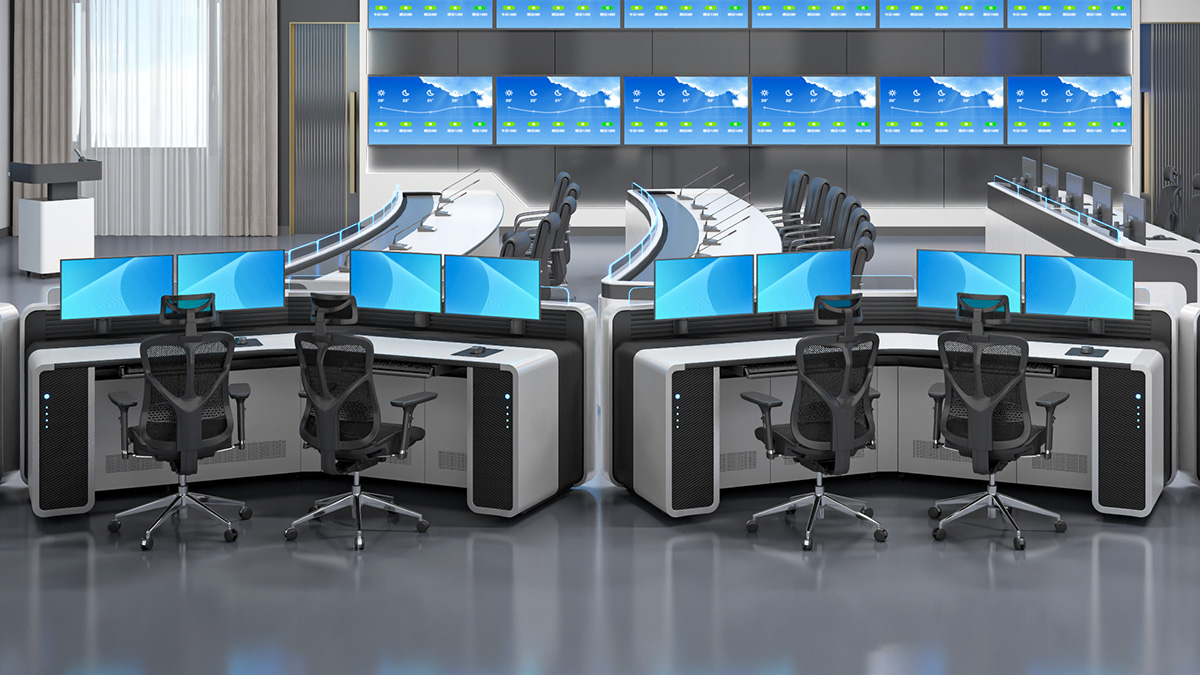
With the rapid development of globalization and e-commerce, the logistics industry is confronted with increasingly complex challenges. How to efficiently manage transportation resources, optimize delivery routes and improve customer satisfaction has become an urgent issue for logistics enterprises. As a management platform integrating information technology, data analysis and automatic control, the master dispatch console has been widely adopted in logistics. Through real-time monitoring, intelligent scheduling and data analysis, it helps logistics companies boost operational efficiency, cut costs and strengthen market competitiveness. Below are several typical application cases of master dispatch consoles in the logistics sector.
1. Coordination and Optimization of Multimodal Transport
Multimodal transport refers to the full delivery of goods via two or more means of transportation, such as road, railway, sea and air transport. Involving multiple transport modes and links, it is difficult to coordinate, and prone to information asymmetry, resource waste and delivery delays.
Application Case
An international logistics company applies master dispatch consoles to manage multimodal transport. The system integrates data from various transport modes and monitors the real-time location, transport status and estimated arrival time of goods. Powered by intelligent algorithms, it automatically selects optimal transport combinations and swiftly adjusts subsequent schedules once delays occur at any link. For instance, if sea freight is held up by bad weather, the console will arrange road or railway transport as an alternative in advance to ensure on-time delivery. Thanks to this solution, the company shortened transit time by 15% and reduced overall transportation costs.
2. Intelligent Scheduling for Urban Distribution
As the final mile of the logistics chain, urban distribution is also the most complicated and time-consuming segment. Heavy traffic, scattered delivery points and strict time requirements from customers make its scheduling extremely challenging.
Application Case
A major e-commerce logistics enterprise has deployed master dispatch consoles across its urban distribution network. Combining GPS and IoT technologies, the system tracks the real-time location and status of delivery vehicles. In light of traffic conditions, customer demands and delivery priorities, it automatically generates optimal routes. When traffic congestion occurs on a route, the console immediately recalculates paths for vehicles and updates customers with new estimated arrival times. In addition, it analyzes historical data to identify customer patterns, forecast delivery demands during peak periods, and allocate vehicles and staff reasonably. This system has lifted the enterprise’s delivery efficiency by 20% and greatly improved customer satisfaction.
3. Seamless Connection Between Warehousing and Transportation
Warehousing and transportation are two core links of the logistics chain, and their coordination directly determines logistics efficiency. Poor communication between the two departments may lead to cargo backlogs, empty vehicle runs or delivery delays.
Application Case
The logistics department of a large manufacturing enterprise introduced master dispatch consoles to realize seamless docking between warehousing and transportation. The consoles are integrated with the Warehouse Management System (WMS) and Transportation Management System (TMS) to obtain real-time inventory and transport requirements. Once a batch of products is finished on the production line, the system automatically arranges delivery vehicles and coordinates warehouse loading. Meanwhile, it informs warehouse staff to prepare goods in advance according to vehicle arrival time, cutting down waiting time. The enterprise has reduced logistics turnover time by 30% and achieved remarkable improvements in the collaboration between warehousing and transportation.
4. Efficient Response for Emergency Logistics
In the event of natural disasters, public health emergencies and other crises, the logistics system needs to respond rapidly to ensure timely delivery of relief supplies. Nevertheless, emergency logistics is often hampered by tight schedules, limited resources and harsh operating environments.
Application Case
An international relief organization used master dispatch consoles for emergency logistics management during a natural disaster. The system aggregated data on disaster area demands, material inventory and transport resources to work out delivery plans efficiently. When medical supplies were urgently needed in a disaster-hit area, the console prioritized the nearest available vehicles and planned the fastest routes based on real-time road conditions. It also coordinated multiple relief organizations to avoid duplicate resource allocation. The system cut the delivery time of relief supplies by 40% and greatly enhanced rescue efficiency.
5. Full-process Monitoring for Cold Chain Logistics
Cold chain logistics sets stringent requirements on temperature control and timeliness, as slight negligence may cause cargo deterioration. Traditional manual monitoring for cold chains is liable to oversights.
Application Case
A fresh food enterprise equipped its cold chain logistics network with master dispatch consoles. Connected to IoT sensors, the system monitors the real-time temperature, humidity and location of transport vehicles, and transmits all data to the central platform. Alerts will be triggered immediately once the temperature goes beyond the preset range, and the operating parameters of refrigeration equipment will be adjusted automatically. Furthermore, the console optimizes delivery routes based on the shelf life of goods and customer needs to guarantee products arrive in good condition. With this system, the enterprise lowered cargo loss rate by 25% and saw a notable rise in customer satisfaction.
6. Full Visualization of Cross-border Logistics
Cross-border logistics involves multiple countries and regions, featuring complex procedures and high uncertainty. Customers usually expect to track cargo status in real time, which is hard to achieve with conventional logistics systems.
Application Case
A cross-border e-commerce platform adopted master dispatch consoles to realize full-process visualization of cross-border logistics. The system integrates data from customs, transport companies, warehousing service providers and other parties, enabling customers to track cargo in real time via mobile apps, including current location, customs clearance status and estimated arrival time. It also automatically processes customs documents and shipping papers to minimize manual work. The platform improved cross-border logistics efficiency by 20% and substantially reduced customer complaints.
Conclusion
The application of master dispatch consoles in the logistics industry not only boosts operational efficiency, but also brings considerable economic benefits to enterprises. Supported by real-time monitoring, intelligent scheduling and data analysis, the consoles help logistics companies adapt to complex operating environments and meet growing customer demands. In the future, with further advances in artificial intelligence, big data and IoT technologies, master dispatch consoles will play an even more vital role in logistics, driving the industry toward intelligence, automation and green development.

